
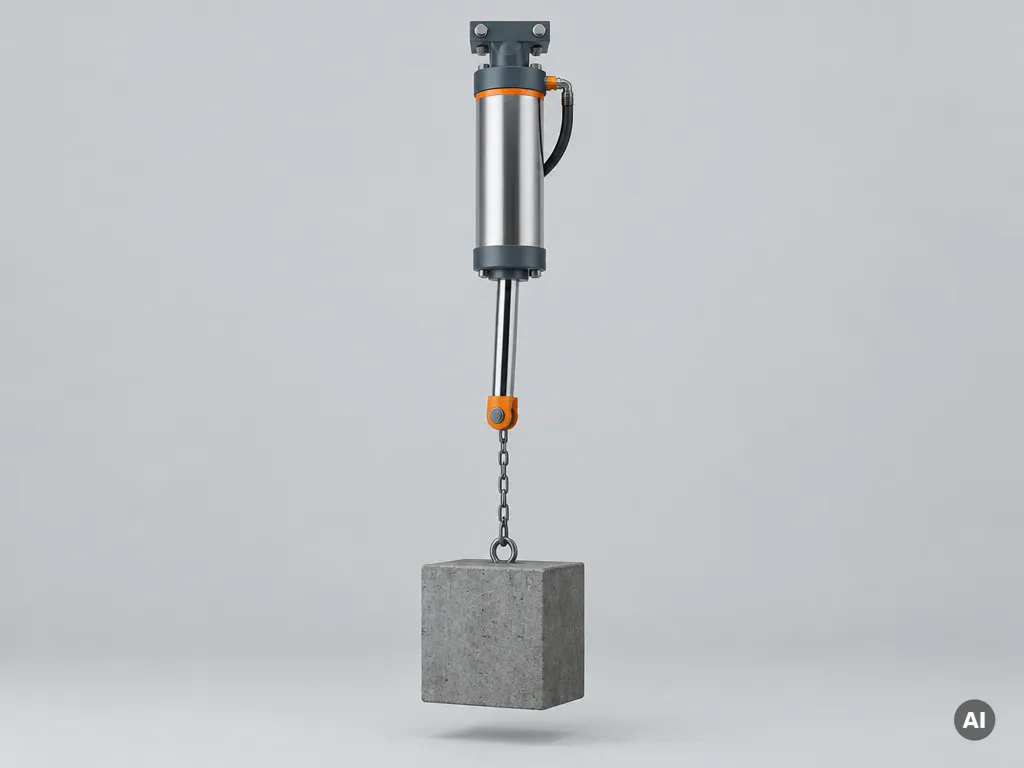
A machine that feels weak and slow when lifting is almost always losing hydraulic efficiency. Internal leakage in a pump, valve, or cylinder lets oil bypass the work path, so less flow and pressure reach the load. Contaminated or overheated oil, worn seals, and a drifting relief valve setting are the most common causes.
The key is to separate a pressure problem (weak) from a flow problem (slow), because each points to different components. Below, we explain how to locate the weakness, what causes it, why heat makes it worse, and when to repair, overhaul, or replace.
How Can You Tell Where the Weakness Starts?
Start by checking whether the machine lacks pressure or flow. Low pressure means the load stalls or lifts only partially, while low flow means it lifts at full strength but slowly. Measuring system pressure at a test point and timing a full cylinder stroke tells you which side to investigate.
A structured diagnosis saves time and prevents replacing the wrong component. Work through these steps in order:
- Check the oil first. Verify the level, look for foaming or discoloration, and note any burnt smell. Aerated or degraded oil reduces lifting power on its own.
- Measure system pressure. Compare the relief valve pressure with the specified setting. If the machine cannot reach it, the pump, relief valve, or a leaking circuit element is suspect.
- Time the stroke. A slow stroke under normal pressure points to reduced pump flow or an internal restriction.
- Test for cylinder drift. If a raised load slowly sinks with the valve closed, oil is bypassing the piston seal or leaking through a valve.
- Isolate the component. Block or bypass sections of the circuit to see where pressure holds and where it collapses.
Pump case drain flow is another useful indicator. A rising drain flow on a piston pump or motor shows internal wear, because oil that should drive the load escapes past worn clearances instead.
What Causes a Machine to Lose Lifting Power?
Lifting power drops when the hydraulic system can no longer build or hold pressure. The main causes are worn pumps, leaking cylinder seals, a faulty or misadjusted relief valve, contaminated oil, and restrictions in hoses or filters. Each of these lets energy escape as heat instead of force at the load.
Internal leakage in pumps and cylinders
Pump wear widens the clearances between rotating parts, so oil slips from the high-pressure side back to the low-pressure side. The pump still turns, but its volumetric efficiency falls. In cylinders, a worn piston seal or scored barrel lets oil cross the piston, which causes weak lifting and load drift. Persistent hydraulic leakage inside a component is harder to spot than an external drip, because no oil appears on the floor.
Contamination, valves, and restrictions
Particles in the oil act like an abrasive, scoring spools, valve seats, and pump components. A relief valve that sticks open or sits below its set pressure dumps flow to tank. Clogged return or pressure filters, collapsed hoses, and undersized lines create restrictions that slow the stroke. Regular hydraulic oil filtering and condition monitoring through oil sampling help you catch these problems before wear accelerates.
Why Does the Problem Get Worse When the Machine Warms Up?
Hydraulic oil thins as it heats, and thinner oil leaks more easily through worn clearances. A system that performs acceptably when cold can lose noticeable pressure and speed once the oil reaches operating temperature, because internal leakage grows with every degree of heat the oil absorbs.
Viscosity drives this behavior. Cold oil is thick enough to seal marginal clearances, which masks wear. As the oil warms, that sealing effect fades and the true condition of the pump, valves, and cylinders shows up. Heat also creates a feedback loop: internal leakage converts hydraulic energy into heat, which thins the oil further and increases leakage.
Several causes raise oil temperature beyond normal:
- Worn components that generate heat through internal leakage
- A blocked or undersized oil cooler, or a failed cooler fan
- Low oil level or an undersized reservoir
- A relief valve that opens frequently under load
- The wrong oil grade for the operating temperature range
Compare performance when cold and when warm. If lifting speed drops sharply as temperature rises, internal wear is the likely cause. Prolonged high temperatures also degrade seals and oxidize the oil, which shortens component life across the whole installation. This matters especially in hydraulic systems for offshore wind and other continuous-duty applications, where sustained loads keep oil temperature high for long periods.
Is It Normal for Lifting Speed to Drop Over Time?
A gradual, small loss of speed is a normal result of wear, but a noticeable drop is not. Healthy hydraulic maintenance keeps performance stable between planned overhauls. A clear decline in lifting speed means internal leakage, contamination, or a restriction has developed and needs investigation.
All hydraulic components wear. Seals harden, pump clearances grow, and valve spools lose their tight fit. Wear is slow when the oil stays clean, cool, and at the correct level. It accelerates when contamination or overheating is present. Tracking cycle times and pressure readings at regular intervals gives you a baseline, so you can see a trend before it turns into a breakdown.
Some warning signs separate normal ageing from developing faults:
- Cycle times that lengthen steadily over weeks rather than years
- Rising oil temperature at the same load
- Increased noise or vibration from the pump
- Metal particles or dark discoloration in the oil sample
- Load drift when the valve is closed
Planned hydraulic service using condition monitoring lets you intervene on your schedule rather than after an unplanned stop. For machines that operate offshore or on dredging vessels, where access is limited and downtime is costly, trend data on pressure, temperature, and oil cleanliness is especially valuable.
Should You Repair, Overhaul, or Replace Worn Components?
Repair when the fault is isolated and the rest of the component is sound, overhaul when wear is widespread but the housing and core parts remain serviceable, and replace when the damage exceeds economic or technical limits. Compare the cost of each route against remaining service life and downtime risk.
| Option | Best suited for | Typical examples |
|---|---|---|
| Repair | A single failed part in an otherwise healthy component | Replacing seals on a hydraulic cylinder, fixing a leaking fitting |
| Overhaul | General wear across a component with a sound housing | Hydraulic cylinder overhaul, pump and motor overhaul |
| Replace | Cracked housings, severe scoring, or obsolete parts | Damaged cylinder barrel, pump with failed rotating group |
Pay attention to the cause of failure before you pick an option. If contaminated oil destroyed a pump, installing a repaired pump into the same dirty system repeats the failure. Flush the system, replace filters, and verify oil cleanliness at the same time. A thorough hydraulic pump overhaul or hydraulic cylinder overhaul restores original clearances and sealing performance, and it usually costs less than a new component while extending service life.
Consider total cost of ownership rather than purchase price alone. A cheap repair that fails again within months costs more than a proper overhaul. For critical lifting equipment, factor in the safety risk of dropping loads and the cost of an unplanned stop.
Hoe HYCOM helpt bij hydraulische systemen die zwak en traag hijsen
Wij vinden de oorzaak van verlies aan hefkracht en herstellen die vakkundig. Onze specialisten combineren diagnose, revisie en engineering van hydraulische aandrijf- en besturingssystemen, zodat je machine weer het vermogen en de snelheid levert waarvoor hij is gebouwd.
- Diagnose van drukverlies, interne lekkage en oliecondities in hydraulische installaties.
- Revisie en reparatie van hydraulische cilinders, pompen en motoren.
- Reparatie en vervanging van hydraulisch leidingwerk.
- Spoelen en filtreren van hydraulische systemen na een storing.
- Technische ondersteuning, installatie en inbedrijfstelling van hydraulische power units (HPU).
Wil je de betrouwbaarheid van je hydraulische systemen verbeteren, ongeplande stilstand beperken of een nieuwe hydraulische installatie ontwikkelen? Ontdek welke technische oplossingen en diensten aansluiten op jouw toepassing, zoals revisie van hydraulische pompen en motoren. We denken graag met je mee over een passende aanpak voor jouw project. Wil je weten waar het vermogen van jouw machine blijft? Bespreek jouw hydraulische uitdaging met onze specialisten en we adviseren je over de beste route.