
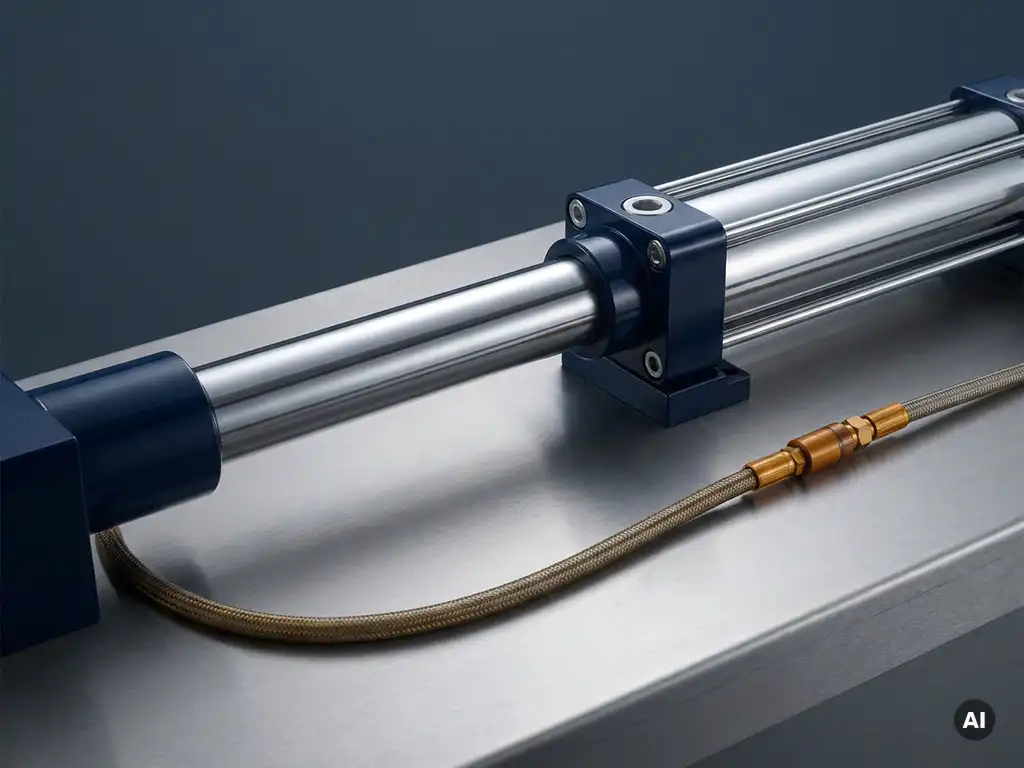
You keep a hydraulic system running without breakdowns by combining regular preventive maintenance, consistent fluid management, and early fault detection through condition monitoring. The majority of hydraulic failures are predictable and preventable when you address contamination, component wear, and fluid degradation before they escalate. The questions below unpack each of the key factors that determine whether your hydraulic installation stays operational or fails unexpectedly.
What are the most common causes of hydraulic system failures?
The most common causes of hydraulic system failures are fluid contamination, overheating, incorrect fluid selection, component wear, and hydraulic leakage. Together, contamination and overheating account for the large majority of unplanned hydraulic downtime across industrial, offshore, and dredging applications. Understanding these root causes is the starting point for any effective maintenance strategy.
Fluid contamination is the single most frequent cause of hydraulic damage. Particles, water ingress, and air can all degrade pump performance, damage valve seats, and accelerate cylinder wear. Overheating reduces fluid viscosity and accelerates oxidation, which shortens both fluid and component service life significantly.
Hydraulic leakage is another recurring failure mode. External leaks reduce system pressure and create safety hazards, while internal leakage across worn seals or valve spools causes efficiency losses that are harder to detect but equally damaging over time. Incorrect operating pressure and improper startup procedures round out the most frequent causes of premature failure in hydraulische aandrijf- en besturingssystemen.
How does fluid contamination damage a hydraulic system?
Fluid contamination damages a hydraulic system by introducing particles, water, or air that erode precision surfaces, block orifices, and degrade the lubricating and sealing properties of the hydraulic oil. Even microscopic solid particles can score pump internals, valve spools, and cylinder bores, leading to accelerated wear and ultimately component failure.
Solid particle contamination is measured using ISO cleanliness codes. Hydraulic components such as servo valves and variable displacement pumps have tight clearances, often in the range of a few microns, meaning particles that are invisible to the naked eye can cause serious damage. Water contamination promotes oxidation, corrodes metal surfaces, and reduces the oil film strength that protects moving parts.
Air in the system causes cavitation, which generates localized pressure spikes and high temperatures that physically erode pump and motor surfaces. The damage from cavitation can be rapid and severe. Effective hydraulic oil filtration, using filters with the correct micron rating for your system’s components, is the most direct way to control solid particle contamination and protect system integrity.
What does a hydraulic preventive maintenance schedule look like?
A hydraulic preventive maintenance schedule organizes inspection, fluid analysis, filter changes, and component checks into daily, weekly, monthly, and annual intervals based on operating hours and system criticality. The exact intervals depend on system type, duty cycle, and environmental conditions, but the structure below reflects widely applied practice across industrial and offshore hydraulic installations.
- Daily checks: Fluid level, temperature readings, visible leaks, unusual noise or vibration, and pressure gauge readings against baseline values.
- Weekly checks: Filter indicator status, hose and fitting condition, accumulator pre-charge pressure, and reservoir breather condition.
- Monthly checks: Oil sample for contamination and viscosity analysis, seal condition on cylinders and actuators, and torque check on pipe connections and fasteners.
- Annual overhaul: Full fluid replacement, filter element replacement, pump and motor inspection, valve function testing, and cylinder seal replacement where wear is evident.
For high-duty systems such as hydraulic power units on offshore platforms or dredging vessels, operating in harsh or contaminated environments, intervals should be shortened accordingly. Hydraulic service records should be maintained for every maintenance action so that wear trends become visible over time.
How can condition monitoring detect problems before a breakdown occurs?
Condition monitoring detects hydraulic problems before breakdown by continuously or periodically measuring parameters such as fluid temperature, pressure, flow rate, particle count, and vibration, then comparing these values against established baselines. Deviations from normal operating ranges indicate developing faults long before they cause a failure.
Online particle counters measure ISO cleanliness levels in real time, giving an early warning when contamination levels rise above acceptable thresholds. Thermal imaging can reveal hotspots in hydraulic power units caused by internal leakage or blocked coolers. Vibration analysis on pumps and motors identifies bearing wear, cavitation, and misalignment before they result in component failure.
Pressure and flow monitoring is particularly useful for detecting internal leakage in cylinders and valves. A cylinder that drifts under load, or a system that takes longer than usual to reach operating pressure, often signals seal wear or valve bypass that has not yet produced an external leak. Integrating condition monitoring data into a maintenance management system allows maintenance managers and asset managers to schedule interventions at the most cost-effective moment, rather than reacting to failures after they occur.
When should hydraulic components be replaced rather than repaired?
Hydraulic components should be replaced rather than repaired when the cost of repair approaches or exceeds the cost of a new component, when the component has reached the end of its designed service life, or when repair cannot restore the component to its original performance specification. Safety-critical components in offshore or aviation applications often have mandatory replacement intervals regardless of apparent condition.
For hydraulic cylinders, the decision between hydraulic cylinder repair and full replacement depends on the condition of the barrel bore, the rod surface, and the end caps. Surface scoring on the bore that exceeds the tolerance for re-honing, or a rod with deep corrosion pits, typically makes hydraulic cylinder overhaul uneconomical. In these cases, a new cylinder delivers better reliability and a longer service life at a comparable or lower total cost.
For pumps and motors, hydraulic pump overhaul is often viable when the housing and port plate are undamaged and only rotating group components need replacement. However, a pump that has suffered cavitation damage or has operated with severely contaminated fluid may have compromised tolerances throughout, making a full replacement the more reliable choice. The decision should always be based on a technical inspection, not purely on visible external condition.
What role does hydraulic fluid selection play in system longevity?
Hydraulic fluid selection directly determines system longevity by affecting lubrication quality, thermal stability, seal compatibility, and resistance to oxidation and water contamination. Using the wrong viscosity grade or an incompatible fluid type can accelerate wear, damage seals, and reduce the service life of pumps, motors, and cylinders significantly.
Viscosity is the most important fluid property. A fluid that is too thin at operating temperature provides insufficient film thickness to protect metal surfaces, while a fluid that is too thick increases internal resistance and raises operating temperatures. The correct viscosity grade is defined by the pump and motor manufacturer and must be matched to the expected operating temperature range of the system.
Fluid additives also matter. Anti-wear additives protect pump internals under high-pressure conditions. Oxidation inhibitors extend fluid service life by slowing the breakdown of the base oil at elevated temperatures. For offshore and marine applications, biodegradable fluids may be required for environmental compliance, and these have specific compatibility requirements with seals and filter media that must be verified before use. Regular oil analysis confirms whether the fluid retains its protective properties or needs replacement.
How HYCOM helps with hydraulic maintenance and system reliability
We support maintenance managers, engineers, and asset managers across offshore, dredging, civil works, and industrial sectors in keeping hydraulic installations operational and performing to specification. Our approach covers the full lifecycle of hydraulic systems, from initial design and engineering through to ongoing maintenance, repair, and overhaul.
- Hydraulic overhaul and repair: Overhaul and repair of hydraulic cylinders, pumps, and motors, with inspection-based decisions on repair versus replacement.
- Hydraulic piping and flushing: Engineering and installation of hydraulic piping systems, including fluid flushing and filtration to achieve the required ISO cleanliness level before commissioning or after maintenance.
- MRO services: Structured onderhoud en revisie van hydraulische systemen with service contracts, field service, and workshop repair across our locations in Apeldoorn, Drachten, and Enschede.
- Condition monitoring integration: Technical support for implementing monitoring strategies that reduce unplanned downtime on hydraulic power units and drive systems.
- Hydraulic systems for demanding applications: Engineering and production of complete hydraulic drive and control systems for offshore platforms, dredging vessels, and civil infrastructure, including hydraulische systemen voor baggerschepen.
Wil je de betrouwbaarheid van je hydraulische systemen verbeteren, ongeplande stilstand beperken of een nieuwe hydraulische installatie ontwikkelen? Ontdek welke technische oplossingen en diensten aansluiten op jouw toepassing. We denken graag met je mee over een passende aanpak voor jouw project. Verken onze revisie van hydraulische pompen en motoren of bespreek jouw hydraulische uitdaging met onze specialisten voor direct technisch advies.