
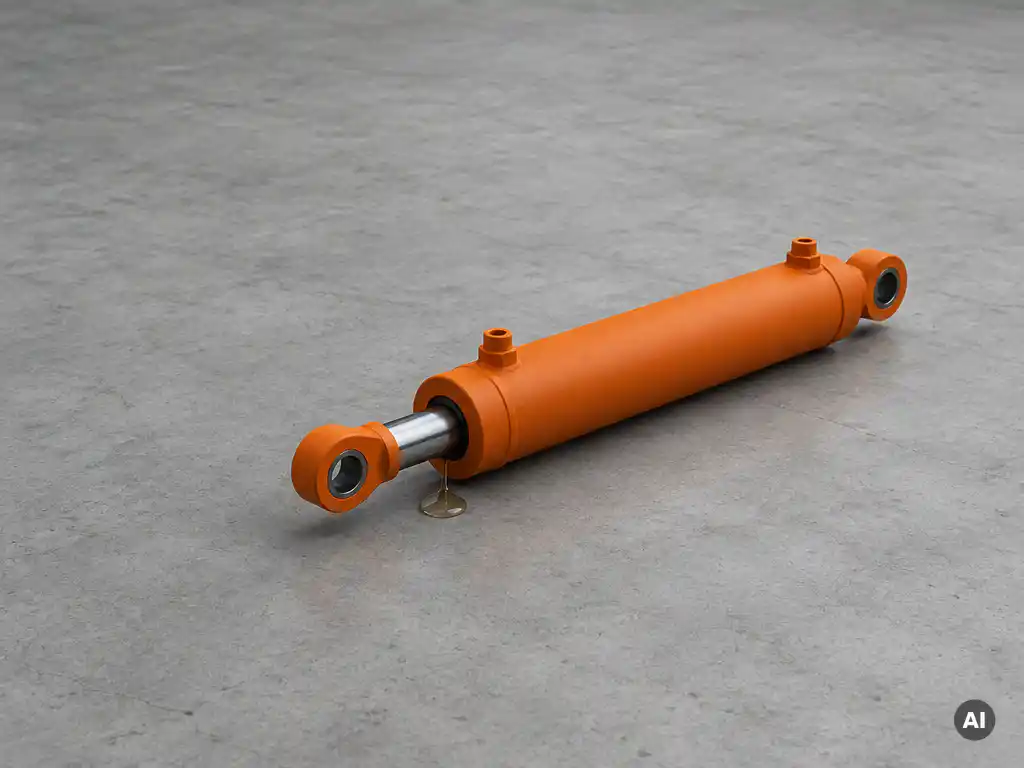
When heavy machinery suddenly loses strength, the cause is almost always a drop in hydraulic pressure or flow, typically from a worn pump, internal leakage, a blocked filter, low or contaminated oil, or a faulty relief valve. Stop the load, secure the machine and check these points before restarting. The right response depends on whether the loss is gradual, intermittent or complete, and whether it affects one function or the entire machine.
This applies to excavators, cranes, dredging equipment, offshore winches and any other machine driven by hydraulic power units (HPU). Below, we answer the questions maintenance teams ask most often: what causes sudden power loss, what to check first, whether you can keep working, and when to bring in a specialist.
What causes heavy machinery to lose power so suddenly?
Sudden power loss in heavy machinery is usually caused by a pressure or flow problem in the hydraulic circuit. Common culprits are a worn or damaged pump, internal leakage in cylinders or valves, a clogged filter, cavitation from low oil level, overheated or contaminated fluid, or a relief valve stuck open.
Each cause leaves a different footprint. Understanding the mechanism helps you narrow the search quickly.
Pump and motor wear
A pump that cannot generate its rated flow or pressure reduces the force available at every actuator. Wear on gears, pistons or vane tips creates internal slip, so oil bypasses the working side instead of doing work. This often develops gradually, but a sudden failure of a piston shoe or a broken drive shaft makes the loss abrupt.
Contamination, heat and fluid condition
Particles in the fluid damage valve spools and seals, which causes erratic movement and pressure loss. High oil temperature thins the fluid, increases internal leakage and shortens seal life. Air or water in the oil leads to cavitation and aeration, which show up as noise, spongy response and falling output.
Valves, cylinders and hoses
A relief valve that sticks open dumps flow back to the tank. A damaged piston seal in a hydraulic cylinder lets the load drift or the cylinder stall under pressure. A burst hose or failed fitting causes an immediate loss of fluid and pressure, and is usually visible as a leak.
What should you check first when a machine feels weak?
Start with the simplest checks: oil level, oil condition, visible leaks, filter indicators and oil temperature. These take minutes, need no special tools and rule out the most common causes. Then compare system pressure against the specification using a gauge on the test points.
Work through the checks in this order:
- Secure the machine. Lower or support the load and isolate energy sources before opening any part of the system.
- Check the oil level and appearance. Low level, milky oil (water) or foamy oil (air) points to a clear cause.
- Look for leaks. Inspect hoses, fittings, cylinder rods and pump flanges for fresh oil.
- Check filter condition. Look at the clogging indicator and the pressure drop over the filter.
- Measure temperature. Overheating reduces viscosity and increases internal leakage.
- Measure pressure and compare. Check working pressure and relief setting against the system documentation.
- Listen to the pump. Whining, knocking or rattling suggests cavitation or mechanical damage.
If all of these look normal and the problem persists, the fault is likely inside a component such as a pump, motor or valve block, and needs deeper diagnosis.
Is it safe to keep working with a weak machine?
No, continuing to operate a machine with unexplained power loss is not safe. Reduced hydraulic force can cause loads to drift, brakes or holding functions to fail, and secondary damage to pumps and motors. Stop work, secure the load and diagnose the cause before returning the machine to service.
The risk is higher in lifting, offshore and civil applications, where a dropped or unsupported load endangers people and assets. Running a pump that cavitates or a system that overheats also accelerates wear, so a small repair can grow into a full overhaul. Pushing on rarely saves time: unplanned stoppage later is usually longer and more expensive than a controlled stop now.
If you must move the machine to a safe position, do it at minimum load and speed, with the area cleared, and only after confirming that holding valves and brakes still work.
How can you tell a small issue from a serious failure?
A small issue is gradual, affects performance mildly and has a clear, visible cause such as a clogged filter or low oil. A serious failure appears suddenly, causes major loss of force or control, or comes with noise, metal particles, rapid heating or large leaks.
| Symptom | Likely minor issue | Likely serious failure |
|---|---|---|
| Speed and force | Slightly slower, recovers when warm | Large, persistent loss under load |
| Noise | Light whine after a low oil level | Knocking, grinding or loud rattling |
| Oil condition | Slightly dark, normal filter reading | Metal particles, milky or burnt oil |
| Temperature | Moderate rise in hot conditions | Rapid overheating without load change |
| Leakage | Weeping fitting or seal | Burst hose, major internal bypass |
| Control | Occasional hesitation | Loss of holding, drifting load, erratic movement |
Metal particles in the filter or oil sample are an especially clear warning. They indicate that a component is wearing internally and may fail soon. Trend data from condition monitoring, such as pressure, temperature and particle counts, helps you recognise this early rather than after the breakdown.
When is it time to call a specialist?
Call a specialist when basic checks do not explain the power loss, when pressure stays below specification after replacing filters and fluid, or when you find metal debris, repeated overheating or damaged components. Specialist input is also needed for offshore, lifting and safety-related systems.
Other clear triggers include:
- Pump or motor output that remains low after a fluid and filter change
- Repeated failures of the same function
- Cylinders that drift or lose holding capacity
- Damage that requires a hydraulic overhaul of pumps, motors or cylinders
- Systems where downtime is costly, such as hydraulic winch systems, constant tension winches, monopile grippers or active heave compensation units
A specialist can run flow and pressure tests, analyse oil samples, inspect components and decide whether repair, overhaul or replacement is the most economic route. Early involvement shortens downtime, especially on offshore hydraulic systems where access is limited. Our hydraulic systems for offshore wind page shows the kind of installations where fast, expert diagnosis matters most.
How can you prevent sudden power loss in the future?
You prevent sudden power loss with a planned maintenance routine built on clean fluid, regular inspection and condition monitoring. Keep oil clean and at the right temperature, replace filters on schedule, check seals and hoses, and track pressure and temperature trends so you can act before a component fails.
Practical measures include:
- Fluid cleanliness: Use proper fluid filtration, sample oil regularly and flush the system after major repairs or component changes.
- Scheduled inspection: Check hoses, fittings, cylinders and hydraulic piping for wear, chafing and leaks.
- Temperature control: Keep coolers clean and confirm that the oil stays within its recommended range.
- Condition monitoring: Log pressure, flow, temperature and filter differential pressure to spot slow degradation.
- Planned overhaul: Overhaul pumps, motors and cylinders at intervals based on operating hours and condition, not only after failure.
- Operator training: Teach operators to report changes in speed, noise or response early.
A well-designed system also helps. Correct sizing of the hydraulic power pack, proper filtration and protected piping reduce failure risk from the start. Our overview of hydraulische aandrijf- en besturingssystemen explains how drive and control systems are built for reliability. This approach limits unplanned downtime and lowers the total cost of ownership over the life of the installation.
Hoe HYCOM helpt bij het onderhoud van hydraulische installaties
Bij Hycom ontwerpen, bouwen en onderhouden we complete hydraulische systemen met bijbehorende besturing. Met werkplaatsen in Apeldoorn, Drachten en Enschede en meer dan 300 gespecialiseerde medewerkers ondersteunen we je van diagnose tot revisie. Dit is waar we je concreet bij helpen:
- Engineering en ontwikkeling van hydraulische aandrijf- en besturingssystemen.
- Ontwerp en productie van hydraulic power units en maatwerkoplossingen.
- Onderhoud, revisie en reparatie van hydraulische pompen, motoren, cilinders en leidingwerk.
- Optimalisatie van betrouwbaarheid, operationele prestaties en levensduur.
- Technische ondersteuning, installatie, inbedrijfstelling en service.
Wil je de betrouwbaarheid van je hydraulische systemen verbeteren, ongeplande stilstand beperken of een nieuwe hydraulische installatie ontwikkelen? Ontdek welke technische oplossingen en diensten aansluiten op jouw toepassing, zoals ons aanbod voor onderhoud en revisie van hydraulische systemen. We denken graag met je mee over een passende aanpak voor jouw project. Merk je dat je machine kracht verliest of wil je storingen voorkomen? Neem contact op en bespreek jouw hydraulische uitdaging met onze specialisten. We adviseren je graag technisch en plannen een projectbespreking wanneer dat nodig is.