
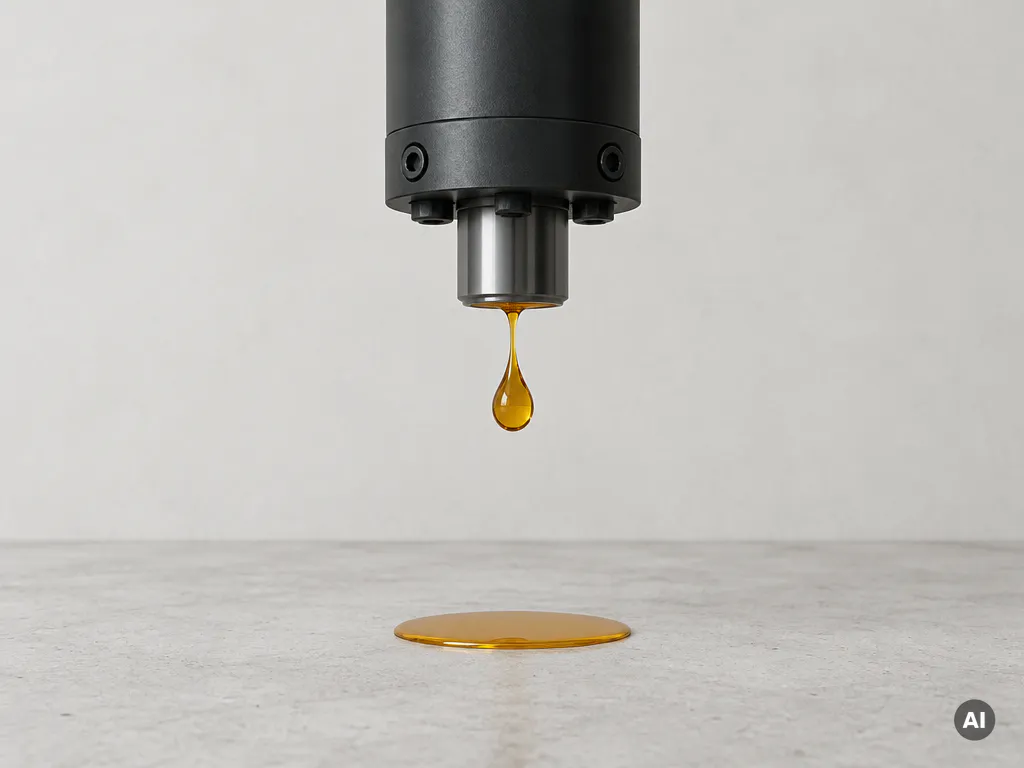
Sudden oil under a machine almost always comes from a failed seal, a loosened or cracked fitting, a damaged hose, or an overfilled reservoir. Each of these lets hydraulic fluid escape under pressure or heat. Treat any new drip as a warning sign, because the cause can range from a worn O-ring to a failing hydraulic cylinder rod seal.
The right response depends on where the oil originates, how fast it escapes and what the machine does while it leaks. The sections below cover the most common causes, how to trace the source, safety, severity, long-term risks and when to bring in a specialist for hydrauliek lekkage and hydraulisch systeem reparatie.
What are the most common causes of a sudden oil leak?
The most common causes of a sudden oil leak are worn or hardened seals, damaged hoses, loose or cracked fittings, a failed cylinder rod seal and an overfilled or overheated reservoir. Most start small and become visible when pressure peaks, temperature rises or vibration loosens a connection.
Typical failure points include:
- Seals and O-rings: Heat, age, contamination and incompatible fluid harden or swell elastomers until they stop sealing.
- Hoses and couplings: Abrasion, kinking, pressure spikes and flexing near end fittings cause hose wall failure or leaking crimps.
- Cylinder rod seals and wipers: A scored rod or worn wiper lets dirt in and oil out, a frequent cause of leaks on dredging, offshore and civil works equipment.
- Pump and motor shaft seals: Overheating, cavitation or contaminated oil wear the shaft seal and let oil escape along the shaft.
- Reservoir and breather issues: Overfilling or a clogged breather can push oil out through vents and covers.
- Loose threaded or flanged connections: Vibration and thermal cycling reduce clamp load over time, especially after maintenance work.
A leak that appears “all of a sudden” has usually been developing for weeks. Poor hydraulic fluid cleanliness speeds this up, which is why hydraulische olie filteren and regular sampling belong in any hydrauliek onderhoud plan.
How can you tell where the oil is actually coming from?
To find the true source of an oil leak, clean the area thoroughly, run the machine under normal load and trace the oil upward to its highest point. Oil runs downhill and spreads along frames and guards, so the lowest wet spot rarely marks the origin of the leak.
Follow a structured approach:
- Isolate and depressurize the system, then degrease the suspect area so fresh oil stands out.
- Cycle the machine through its normal functions while you observe. Some leaks only appear under pressure, at temperature or at a specific cylinder position.
- Trace upward and inward. Follow the oil trail to the highest wet point and check fittings, hose ends, flanges and shaft seals there.
- Use a dry wipe test or tracer. A white cloth or powder spray shows exactly where new oil emerges, and UV dye helps with hard-to-reach joints.
- Compare against the hydraulic schematic to check which components share the affected line.
Never check for a leak with your hand. A pinhole leak in a pressurized line can inject oil under the skin, which is a medical emergency.
Is it safe to keep running a machine that leaks oil?
No, running a machine with an active hydraulic oil leak is generally not safe. Fluid loss lowers system pressure and can damage the pump, high-pressure leaks can cause injection injuries, and oil on hot surfaces or walkways creates fire and slip hazards.
The risk grows with the type of machine and its environment. On a vessel, a jack-up leg system or a bridge drive, an unexpected loss of pressure can cause uncontrolled movement of the load. In those cases, stop operation, secure the equipment and fix the leak before restarting.
A very slow weep on a low-pressure return line may allow limited operation under supervision, but only if you monitor the oil level, contain the drip and plan a repair soon. Environmental rules also matter: oil that reaches water or soil creates compliance and cleanup costs well beyond the repair itself.
What’s the difference between a minor seep and a serious leak?
A seep is a slight dampness or film of oil at a joint that does not form drops, while a leak produces drips or a steady flow that needs regular topping up. The practical dividing line is whether oil loss is measurable, increasing or occurring at a high-pressure point.
| Characteristic | Minor seep | Serious leak |
|---|---|---|
| Appearance | Damp film, dust collects at the joint | Drops, streams or spray |
| Oil loss | Barely measurable between inspections | Visible drop in reservoir level |
| Location | Static joint, low-pressure side | Dynamic seal, pressure line or hose |
| Trend | Stable over weeks | Getting worse, often within days |
| Action | Monitor and schedule repair | Stop, secure and repair now |
Log each seep with a photo and date. If it grows, treat it as a leak. A documented trend is also useful input for condition monitoring.
Can a small oil leak cause bigger problems later?
Yes, a small oil leak can lead to serious damage. Leaking seals often let air and dirt back into the system, which causes cavitation, wear, overheating and component failure. Over time, a minor hydrauliek lekkage becomes a costly hydraulische cilinder reparatie or hydraulische pomp revisie.
Several mechanisms drive this escalation:
- Contamination ingress: Where oil escapes, particles and moisture can enter. Contaminated fluid is a leading cause of valve sticking and accelerated pump wear.
- Air in the system: Low oil level or leaking suction lines allow aeration, which causes noise, spongy control and cavitation damage in the pump.
- Rod and bore damage: Abrasive dirt trapped by a failing wiper scores the cylinder rod, so the next seal fails faster. This is where hydraulische cilinder revisie becomes necessary rather than a simple seal swap.
- Heat and efficiency loss: Internal bypass and low fluid volume raise operating temperature and reduce machine performance.
- Hidden costs: Replacement oil, cleanup, environmental risk and unplanned downtime usually outweigh the cost of an early repair.
Fixing the leak early protects hydrauliek service intervals and the total cost of ownership of the installation.
When should you call a hydraulic specialist instead of fixing it yourself?
Call a hydraulic specialist when the leak involves a high-pressure line, a cylinder, a pump or motor, a safety-critical function or a cause you cannot identify. Tightening a fitting or replacing a low-pressure hose is within reach of a trained maintenance team, but anything beyond that needs specialist tools and testing.
Bring in a specialist in these situations:
- The leak returns after you replace a seal or hose, which suggests a deeper cause such as a scored rod, misalignment or pressure spikes.
- Oil is leaking from a cylinder rod seal, piston seal or pump shaft, where disassembly, honing, measuring and pressure testing are required.
- The fluid shows contamination, discoloration or overheating, and the system needs flushing and filtration.
- The machine performs a load-bearing or safety-critical task, such as heave compensation, winch operation or bridge and lock drives.
- The failure pattern points to a design or operating issue rather than a one-off defect.
For recurring problems on larger installations, a specialist can also review the hydraulic systems for offshore wind or a similar duty cycle to remove the root cause. If your system is part of a wider drive and control package, our hydraulische aandrijf- en besturingssystemen expertise helps you judge whether repair or redesign makes more sense.
Hoe HYCOM helpt bij hydraulische lekkages en onderhoud
Wij ondersteunen je bij het opsporen, repareren en voorkomen van lekkages in hydraulische installaties, van een enkele cilinder tot een complete hydraulic power unit (HPU). Onze specialisten werken vanuit meerdere vestigingen in Nederland, met meer dan 50 jaar ervaring en ISO 9001-certificering.
- Revisie en reparatie van hydraulische cilinders, inclusief vervanging van afdichtingen en herstel van de zuigerstang.
- Revisie van hydraulische pompen en motoren, met testen na de revisie.
- Hydraulisch leidingwerk, vervanging van slangen en onderzoek naar de oorzaak van terugkerende lekkages.
- Spoel- en filtratieoplossingen om de oliepropreté te herstellen na een storing.
- Technische ondersteuning, onderhoudsadvies en service op locatie voor offshore, baggerindustrie, civiele werken en industrie.
Wil je de betrouwbaarheid van je hydraulische systemen verbeteren, ongeplande stilstand beperken of een nieuwe hydraulische installatie ontwikkelen? Ontdek welke technische oplossingen en diensten aansluiten op jouw toepassing, zoals ons aanbod voor onderhoud en revisie van hydraulische systemen. We denken graag met je mee over een passende aanpak voor jouw project. Zie je olie onder je machine? Bespreek jouw hydraulische uitdaging met onze specialisten en we adviseren je over de snelste en meest duurzame oplossing.