
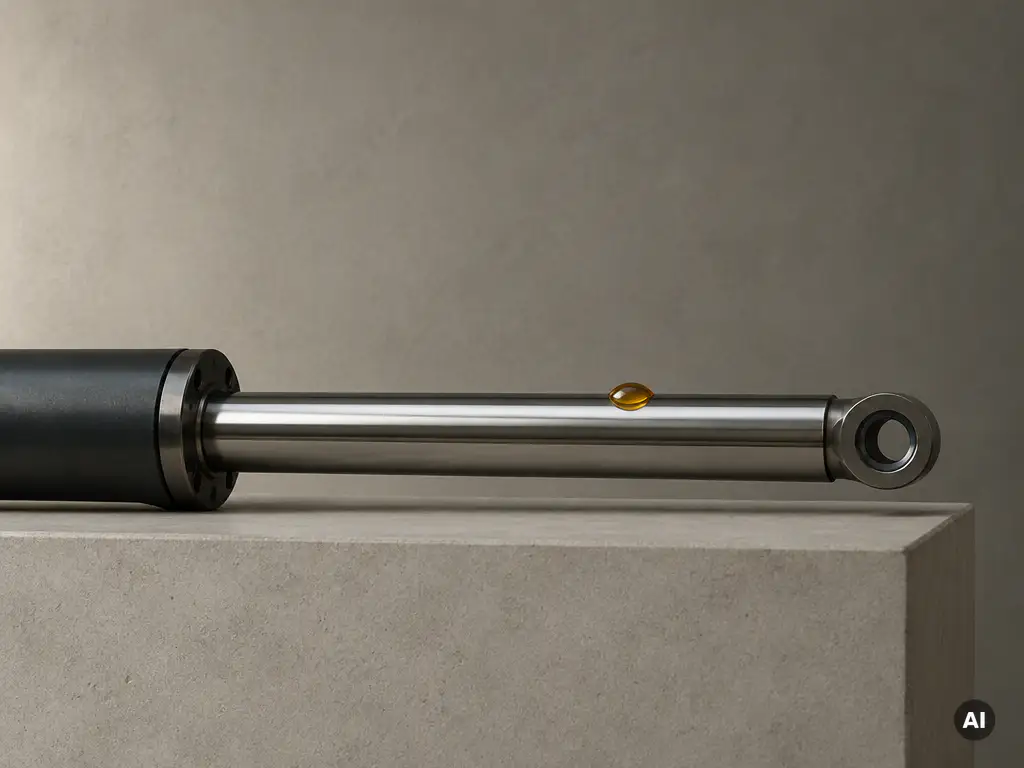
You keep heavy lifting machines running reliably for decades by combining correct design, clean hydraulic fluid, condition-based inspections and planned overhauls of the components that wear. Reliability is rarely lost through one dramatic failure. It erodes through contamination, overload, neglected seals and skipped maintenance. This article answers the most common questions about wear, warning signs, service intervals, overhaul decisions and long-term planning for hydraulic winches and lifting systems.
What actually causes heavy lifting machines to wear out early?
Heavy lifting machines wear out early mainly because of fluid contamination, overloading beyond the design duty cycle, heat, poor alignment and neglected maintenance. In hydraulic lifting systems, contaminated oil is the most common root cause, because particles damage pumps, valves and cylinder seals from the inside.
Several factors usually combine:
- Contamination: Particles, water and degraded oil scratch precision surfaces in pumps, motors and servo valves. Poor flushing after installation or repair leaves debris in the circuit from day one.
- Duty cycle mismatch: A hydraulic winch or lifting system sized for occasional use that runs continuously will overheat and fatigue faster than expected.
- Heat: High oil temperatures thin the fluid, accelerate seal ageing and reduce lubrication film strength. Undersized coolers or a poorly dimensioned hydraulic power unit make this worse.
- Shock loads and pressure peaks: Sudden load changes, for example from waves in offshore operations, stress cylinders, structures and piping.
- Environment: Salt, moisture and temperature swings attack rod surfaces, fittings and electronics, especially in offshore hydraulic systems.
Design also matters. A constant tension winch or active heave compensation system works against changing loads all day, so component selection and control tuning directly affect service life.
What early warning signs show a lifting machine is struggling?
The earliest warning signs are rising oil temperature, slower or jerky movement, new noise from pumps and motors, small external leaks and falling filter life. These symptoms usually appear weeks or months before a breakdown, so tracking them as trends gives you time to act.
Look for these indicators during daily operation and routine rounds:
- Slower cycle times or reduced lifting speed: This often points to internal wear in a pump or motor, or to internal leakage in a cylinder.
- Drifting loads: A load that creeps down under hold suggests worn seals, a leaking valve or a failing holding function.
- Increased temperature: If the system runs hotter than its own baseline under the same load, internal losses are growing.
- Noise and vibration: Whining can indicate cavitation or air in the oil. Knocking can point to worn bearings or loose mounting.
- Frequent filter changes or clogged filter indicators: Fast filter loading means particles are entering or being generated somewhere in the system.
- Seal weeping and rod scoring: Even a minor oil film on a cylinder rod deserves attention. Scored rods destroy new seals quickly.
- Erratic control response: In systems with electronic regulation, hunting or unstable tension control can come from wear, contaminated valves or sensor drift.
Condition monitoring turns these observations into data. Regular oil analysis, temperature logging and pressure measurements establish a baseline, so deviations stand out early.
How often should heavy lifting equipment be inspected and serviced?
Heavy lifting equipment needs daily visual checks, periodic planned maintenance based on operating hours or calendar time, and a statutory or class-based inspection regime where regulations apply. The exact intervals depend on the manufacturer’s manual, applicable regulations, duty cycle and operating environment, so use them as the minimum, not the target.
A practical structure combines several layers:
- Daily or per shift: Check fluid level, leaks, hoses, fittings, guards, wire rope condition and alarms.
- Routine maintenance: Replace filter elements, take oil samples, check accumulator pre-charge, inspect hose assemblies and verify safety valves and limit functions.
- Periodic inspections: Test pressure settings, measure internal leakage, check bearings and structural connections, and verify control and sensor calibration.
- Statutory and class inspections: Lifting appliances normally fall under national legislation, and offshore equipment often falls under classification society or client requirements. Always follow the applicable regime.
- Major overhaul intervals: Plan these for pumps, motors, cylinders and winch drives based on running hours, oil analysis results and operating history.
The following table summarises a typical approach. Treat the intervals as general guidance and adjust them to your equipment documentation and risk assessment.
| Activity | Typical frequency | Purpose |
|---|---|---|
| Visual walk-around | Daily or per shift | Catch leaks, damage and abnormal behaviour |
| Oil sampling | Per manufacturer or condition plan | Track contamination, water and wear particles |
| Filter replacement | By differential pressure or schedule | Keep fluid cleanliness within target |
| Accumulator and valve checks | Periodic, per manual | Maintain safety and control performance |
| Full functional and load test | As required by regulation or class | Verify safe working capacity and safety functions |
| Component overhaul | Based on hours and condition | Restore pumps, motors and cylinders before failure |
Condition-based maintenance usually beats purely time-based maintenance for hydraulic systems. It avoids replacing healthy components and flags unhealthy ones earlier.
Is it better to repair, overhaul or replace an ageing machine?
Overhaul is usually the best choice when the structure and design are sound but hydraulic components show wear. Repair suits isolated faults. Replacement makes sense when the design no longer meets capacity, safety or efficiency needs, or when overhaul costs approach the price of a new system.
Use these criteria to decide:
When repair is enough
Repair works when a single component has failed for an identifiable reason, such as a damaged hose, a worn seal kit or a failed valve coil, and the rest of the system tests well. Fix the root cause as well, for example contamination or misalignment, or the same failure will return.
When an overhaul pays off
Overhaul fits when pumps, motors or cylinders show rising internal leakage, but the frame, drum, gearbox and control concept remain suitable. A professional hydraulic overhaul restores tolerances, replaces seals and bearings, and returns the component to near-original performance at a fraction of replacement cost. Many operators also upgrade seals, filtration or sensors during overhaul to extend the next service interval.
When replacement is the better investment
Replacement becomes attractive when:
- Spare parts are obsolete or lead times threaten availability.
- The machine must handle higher loads or a new duty cycle than it was designed for.
- Safety standards or client requirements have moved beyond what the old design can meet.
- Energy losses or heat generation make operation uneconomical.
- Repeated failures show structural or design limitations.
Compare options on total cost of ownership, not purchase price alone. Include downtime risk, spare parts availability, energy use and the cost of failure in your calculation.
How can you plan for decades of reliable operation?
You plan for decades of reliable operation by designing for the real duty cycle, keeping fluid clean, monitoring condition, scheduling overhauls before failure and documenting everything. Reliability is a lifecycle discipline, not a single purchase decision, and it starts with the first engineering choices.
Build your plan around these actions:
- Specify for the real operating conditions. Define load cases, duty cycle, environment, temperature range and required response. For a constant tension winch or monopile gripper system, include dynamic loads and control requirements, not only static capacity.
- Dimension the hydraulic power pack properly. A well-sized hydraulic power pack or hydraulic power unit with correct cooling, filtration and reservoir volume runs cooler and keeps oil in better condition.
- Commission cleanly. Flush piping and verify cleanliness before startup. Contamination introduced at installation shortens component life from the start.
- Set a fluid cleanliness target and track it. Define a target class, sample regularly and act on trends in particles, water and acidity.
- Monitor condition. Log pressures, temperatures, cycle times and filter status. Trend data tells you when to intervene.
- Schedule overhauls ahead of failure. Plan component overhaul during planned stops, such as dry-docking or project gaps, rather than reacting to breakdowns.
- Keep documentation current. Maintain drawings, hydraulic diagrams, test records and modification history so future engineers can service the system accurately.
- Train operators and maintenance crews. Correct operation and consistent maintenance practice prevent a large share of avoidable damage.
- Review obsolescence annually. Check control hardware, sensors and key components for end-of-life notices, and plan upgrades while you still control the timeline.
This approach matters most for assets in demanding sectors. If you operate hydraulic systems for offshore wind, access windows are short and failures are expensive, so planned maintenance and a spare parts strategy deliver the biggest payoff. The same logic applies to offshore hydraulic systems, dredging vessels and civil works such as bridges and locks, where equipment must work for decades with limited downtime.
When you integrate drive, control and monitoring from the start, your hydraulische aandrijf- en besturingssystemen stay easier to maintain, upgrade and keep within specification over their full lifetime.
Hoe HYCOM helpt bij betrouwbare hydraulische hefsystemen
We ontwerpen, bouwen en onderhouden hydraulische systemen voor veeleisende toepassingen in de offshoresector, offshore wind, baggeren, civiele werken en de industrie. Zo ondersteunen we je gedurende de hele levensduur van je installatie:
- Engineering en ontwikkeling van hydraulische aandrijf- en besturingssystemen, inclusief winch systems en active heave compensation.
- Ontwerp en productie van hydraulic power units en maatwerkoplossingen voor jouw duty cycle.
- Onderhoud, revisie en reparatie van hydraulische cilinders, pompen, motoren en leidingwerk.
- Optimalisatie van betrouwbaarheid, operationele prestaties en levensduur van bestaande installaties.
- Technische ondersteuning, installatie, inbedrijfstelling en service, ook bij langdurige inzet.
Wil je de betrouwbaarheid van je hydraulische systemen verbeteren, ongeplande stilstand beperken of een nieuwe hydraulische installatie ontwikkelen? Ontdek welke technische oplossingen en diensten aansluiten op jouw toepassing, bijvoorbeeld onderhoud en revisie van hydraulische systemen. We denken graag met je mee over een passende aanpak voor jouw project. Neem contact op en bespreek jouw hydraulische uitdaging met onze specialisten voor technisch advies of een projectbespreking.